 Pi Node Guard
Is the container running?
The container hosts the node service. Checking it first shows whether the runtime is still available when the node stops answering.
Pi Node Guard · Node Guardian
Node Guardian watches your Pi node around the clock. Each scan checks the container, the node’s response and the latest block height. When a fault appears, AI uses those readings to guide the repair. Monitoring resumes after a fresh check verifies recovery.
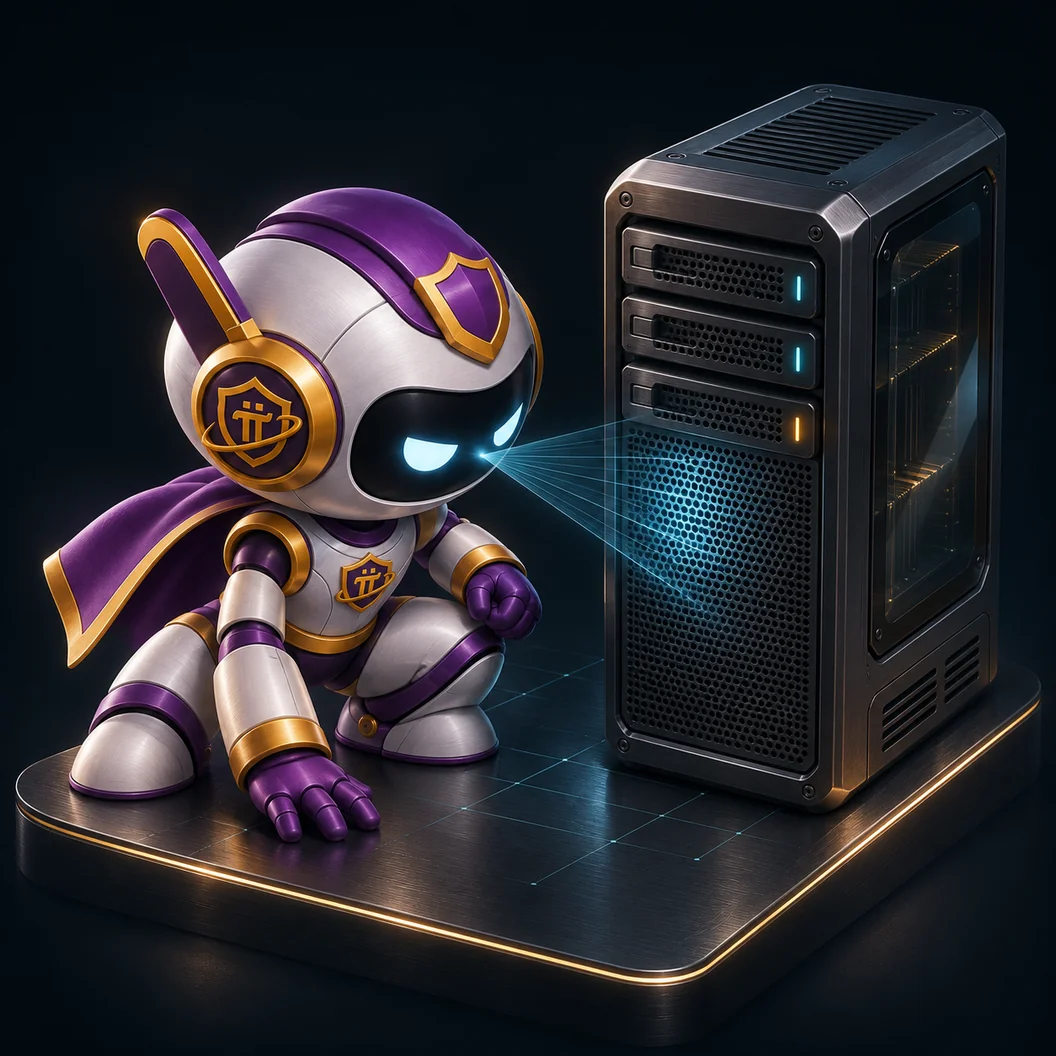
The container hosts the node service. Checking it first shows whether the runtime is still available when the node stops answering.
Guardian requests a fresh status reading. If the container is running but the node times out, AI can narrow the investigation to the node service.
Guardian keeps the last block height for comparison. After a repair, it checks for a fresh reply and a later block. The watch log records both observations.
A host can stay powered on while its node stops working. The watch log puts the fault, the AI repair action and the verification result in time order so you can see what happened when you return.
A heartbeat times out. Guardian retains the last ledger height and container state.
In the demo above, AI traces the fault to the node service and requests a restart while the container stays online.
After the node replies, Guardian reads the ledger again. A move from N to N+1 verifies recovery, and the next scan begins.
A planned WeChat integration will let you follow an incident away from the node computer, from the first fault and the AI repair action to verified recovery and resumed monitoring.
The node heartbeat timed out. The container is running and the last ledger reading has been saved.
AI identified the node service and requested a restart. An independent check is pending.
The node replied and the ledger advanced from 8,412,096 to 8,412,097. Monitoring has resumed.